

What happens when an energy supplier goes bust?
A supplier failure is a company problem, not a physical interruption to the wires serving your home. In Great Britain, Ofgem normally runs a bidding process and appoints a financially capable energy company as the Supplier of Last Resort. Ofgem says this can take up to 14 days. The new company then contacts affected customers and explains the account transfer.
You do not need to apply for the transfer. If the usual Supplier of Last Resort route is unsuitable, the government can use a special administration process so the failed company keeps operating while it is rescued, sold or its customers are moved. In either case, keep using electricity normally and expect to pay for what you use.
What to do immediately: a practical checklist
First, check the announcement on Ofgem’s website rather than relying on a social-media post, unexpected call or message. A genuine transfer does not require you to hand bank details or passwords to a caller. Ofgem will publish the appointed supplier, and that company should contact you directly.
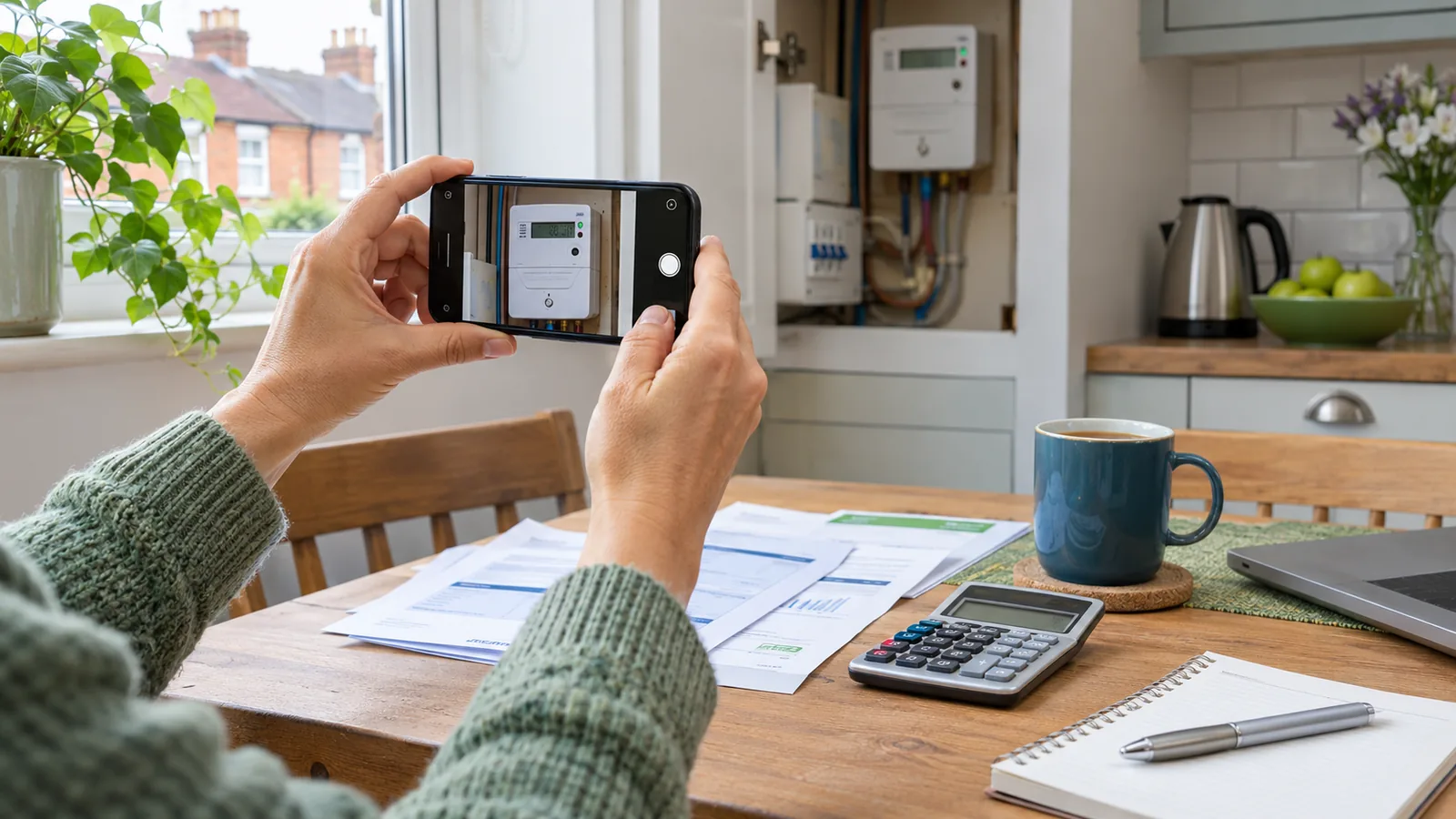
Next, preserve the evidence that may disappear when the old supplier closes its online account. Download recent bills, statements, payment records, tariff terms and any complaint correspondence. Record the account balance shown. Photograph the electricity meter display and serial number with a date record; on Economy 7 or another multi-rate meter, capture every register separately.
Do not rush into a new switch before the replacement supplier has set up your account. A premature switch can make readings and balances harder to reconcile. If you already had a switch in progress before the failure, Ofgem says it should continue. Keep confirmations from both suppliers until the move is complete.
- Save bills and take a clear meter photograph as soon as possible.
- Keep paying for ongoing use by leaving money available, even if a payment is delayed.
- Wait for the appointed supplier to identify itself through an official channel.
- Check that any email, call or refund request is genuine before sharing information.
Should you cancel your Direct Debit?
Ofgem says you do not usually need to cancel your Direct Debit. The appointed supplier will explain how payments will be handled. Leaving it alone can reduce the chance of a missed payment or an account mismatch while records are transferred.
If a payment is collected after the failure, do not assume it has vanished. Save the bank entry and ask the new supplier how it will appear on your account. If you have already cancelled the instruction, tell the new supplier when it contacts you and ask how to pay for electricity used during the gap. Do not spend the money simply because no payment was taken: the energy remains chargeable.
What happens to credit, debt and your old tariff?
Household credit balances are protected under Ofgem’s Great Britain safety net. The new supplier receives account information and should explain how a credit refund or transfer will work. Keep the last statement and payment evidence because the final figure may need to be reconstructed. This protection is for household customers; business-account credit is treated differently.
Debt does not disappear when a supplier fails. The new supplier may take it over and contact you about a repayment plan, or you may have to pay the failed supplier’s administrator. Check who has the legal right to collect before paying an unexpected demand. If the amount is unaffordable, ask for a plan based on what you can reasonably pay.
Your old tariff is not guaranteed to survive. Ofgem says a household moved through the Supplier of Last Resort process can be placed on a six-month deemed contract. A domestic deemed tariff remains covered by the energy price cap, but the price cap is not a cap on the total bill: your cost still depends on the unit rate, standing charge and consumption. Ask the replacement supplier for its cheapest suitable tariff once the account is live.
Check the first bill from the new supplier
Compare the new account’s opening reading with the photograph you took. Also check the meter serial number, tariff rates, standing charge, credit or debt brought forward and payments collected around the transfer date. For a two-rate meter, make sure the day and night registers have not been reversed.
Smart meters can temporarily stop sending readings after an account transfer even though they continue measuring usage. If the bill is estimated, submit the reading from the meter itself rather than the in-home display. Prepayment customers should be able to keep topping up during the appointment process, and the replacement supplier will explain whether a new key, card or token is needed.
If figures are missing, write to the new supplier with the dated meter photograph, final old bill and payment evidence. State precisely which reading or balance you want corrected. An unresolved complaint about the old account can also be raised with the new supplier; an existing Energy Ombudsman case should be handled according to the Ombudsman’s instructions.
When can you switch after the transfer?
Once the replacement supplier confirms that your account is set up, you can compare its tariff with other deals. Ofgem says you can move away from the deemed contract without an exit fee. Compare annual cost using your actual yearly consumption, not only the monthly Direct Debit or a headline unit rate.
Before switching, confirm that the opening meter reading and old balance have been recorded. Download the new account’s first statement and keep the transfer correspondence. That clean paper trail reduces the risk of a later dispute over which supplier charged for electricity used on the handover date.
Northern Ireland uses a separate supplier-failure process
Ofgem’s process and Great Britain credit rules do not govern Northern Ireland. The Utility Regulator says that if an electricity or gas supplier stops trading, customers are transferred to another supplier without an interruption. Customers receive details of the replacement supplier and tariff, and can switch again if another deal suits them better.
Northern Ireland customers should follow the Utility Regulator’s announcement and the transfer information sent to them. Still take a dated meter reading and retain bills and payment records. For help with an electricity account or unresolved complaint, contact the Consumer Council rather than assuming the Great Britain steps and bodies apply.
Energy supplier failure FAQs
Will my electricity be cut off if my supplier goes bust?
No. Regulators in Great Britain and Northern Ireland have transfer arrangements intended to keep household energy supplies running while another supplier takes over.
Is my energy account credit safe?
Ofgem protects household credit balances in Great Britain and the appointed supplier should explain the refund or transfer. Keep bills and payment records. Business accounts and Northern Ireland arrangements are different, so use the guidance for your market.
Do I still have to pay energy debt to a failed supplier?
Yes. The debt may transfer to the replacement supplier or remain with the failed company’s administrator. Verify who is collecting it and ask for an affordable payment plan if necessary.
Can I switch supplier straight away?
Wait until the replacement supplier has created your account and confirmed the opening balance and reading. You can then switch from the deemed contract without an exit fee. A switch already underway before the failure should normally continue.
Estimate your electricity bill
Use the electricity bill calculator with the failure-date meter reading and your previous confirmed reading. It gives you an independent usage estimate to compare with the old supplier’s closing bill and the new supplier’s opening statement.
Sources
Supplier-failure, household-credit, tariff and Northern Ireland transfer guidance was checked against these sources on 6 November 2026: