

Massachusetts Winter Heat-Pump Rates Return November 1
Massachusetts winter heat-pump electricity rates return November 1. Check eligibility, enrollment and the delivery charges on your next utility bill.
By Electricity Bill Calculator · Updated
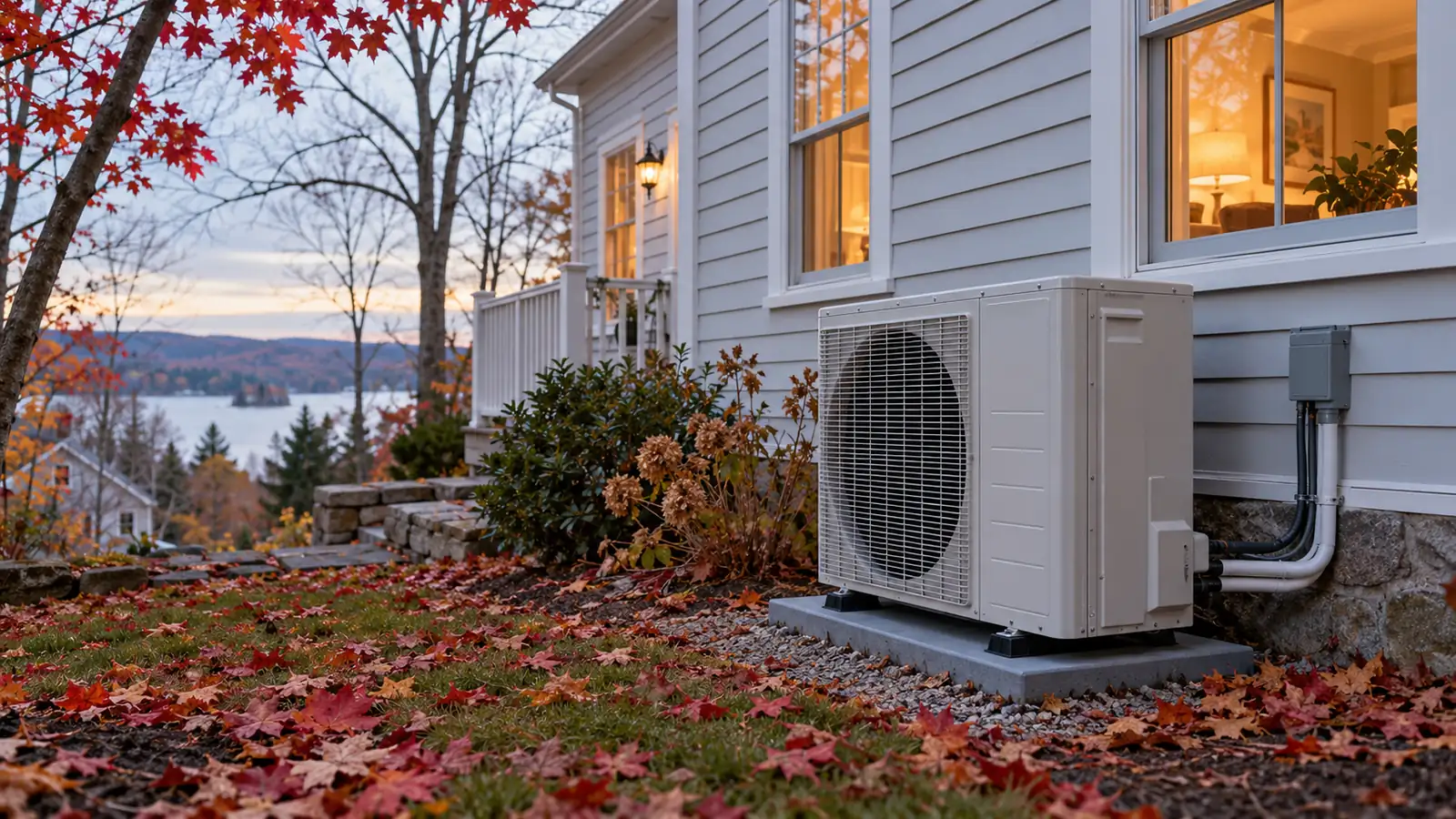
The winter rate applies to more than heating
Eligible Massachusetts households will move back onto seasonal heat-pump electricity rates on November 1, 2026. The winter period lasts through April 30, 2027. If you heat your home with a heat pump and receive electricity delivery from Eversource, National Grid or Unitil, this is a useful moment to check your account’s rate class.
The Massachusetts Department of Public Utilities says the lower distribution and transmission charges apply to all the electricity an enrolled household uses during the winter period. You don’t need a separate meter measuring only the heat pump. Supply charges and other bill components still matter, so a delivery discount is not the same as a percentage reduction in the whole bill.
This is the return of a seasonal arrangement introduced in November 2025, with updated winter rates. It is not a new nationwide heat-pump subsidy. Municipal electric customers should look for their own utility’s tariff rather than assume this program covers them.
Check whether your home is already enrolled
The state says customers at homes that received a qualifying Mass Save heat-pump rebate on or after January 1, 2019, are enrolled automatically. Households already on the seasonal rate do not need to sign up again for this winter.
A system installed without a Mass Save rebate, or before 2019, may still qualify through a direct application. A heat-pump water heater on its own does not qualify unless it also provides space heating. The equipment’s job matters here: heating water and heating rooms are different eligibility questions.
Mass Save’s FAQ says heat pumps used for space heating in all or part of the home can qualify. Keep the installation paperwork or equipment details available if your utility needs to verify the system. A rebate record is one route into the rate, rather than a reason to assume an older installation is excluded.
Ask for the rate class and the effective billing cycle
Use the seasonal heat-pump enrollment link on your electric delivery company’s website. The state’s program page links to the Eversource and National Grid online forms and explains how to contact Unitil. Apply through the utility delivering electricity to the address, even if a separate supplier sells you the electricity.
National Grid’s heat-pump page warns that the rate may take one or two billing cycles after November 1 to appear, or six to eight weeks after a Mass Save rebate has been fully processed and paid. Its enrollment information also allows applications during May through October, while the seasonal price itself activates in November.
Save the confirmation and ask for the exact rate code, effective date and first billing cycle covered. If the first winter bill appears unchanged, compare those dates with the usage dates on the bill before submitting a second application. A bill arriving in November can include electricity used in October.
Work out the delivery saving without guessing the whole bill
For an illustration only, suppose an eligible winter tariff reduces the combined applicable per-kWh delivery charges by 4¢. At 1,200 kWh, that difference is 1,200 × $0.04 = $48. These are invented figures to show the calculation, not current prices or a promised saving from any Massachusetts utility.
The same 4¢ difference would be worth $32 at 800 kWh and $64 at 1,600 kWh. A colder month could therefore produce a larger dollar discount while still leaving you with a higher total bill because you used more electricity. Compare both the price difference and the consumption.
For your account, take the ordinary and heat-pump charges from matching, current rate sheets. Subtract only the components that actually change. Keep supply prices, fixed charges, taxes and other adjustments separate; don’t multiply the entire bill by a headline delivery discount.
Read the first winter bill against the enrollment record
Find the rate class, service dates, billed kWh and delivery line items. Compare them with your enrollment confirmation and the utility’s winter tariff. If something is missing, send customer service the bill date, rate code and confirmation reference, and ask which usage period will receive the seasonal treatment.
The US calculator can help compare a simple scenario using one combined per-kWh rate, fixed charges and separately entered fees. It does not verify eligibility or reconstruct tiered, time-of-use or other complex tariffs. Use the utility’s tariff for the actual charge, then use your billed kWh to understand the difference.
Before November’s usage is billed, confirm that the account is enrolled at the correct address. That check is more useful than assuming the presence of a heat pump automatically means the right rate is already attached to the account.
Sources
Utility examples describe that utility’s service; check your own provider’s guidance.