

Help Paying Electric Bills: Finding LIHEAP and Local Aid
Find help paying electric bills through LIHEAP and local utility programs. Check application dates, gather documents, and track an approved payment to your account.
By Electricity Bill Calculator · Updated
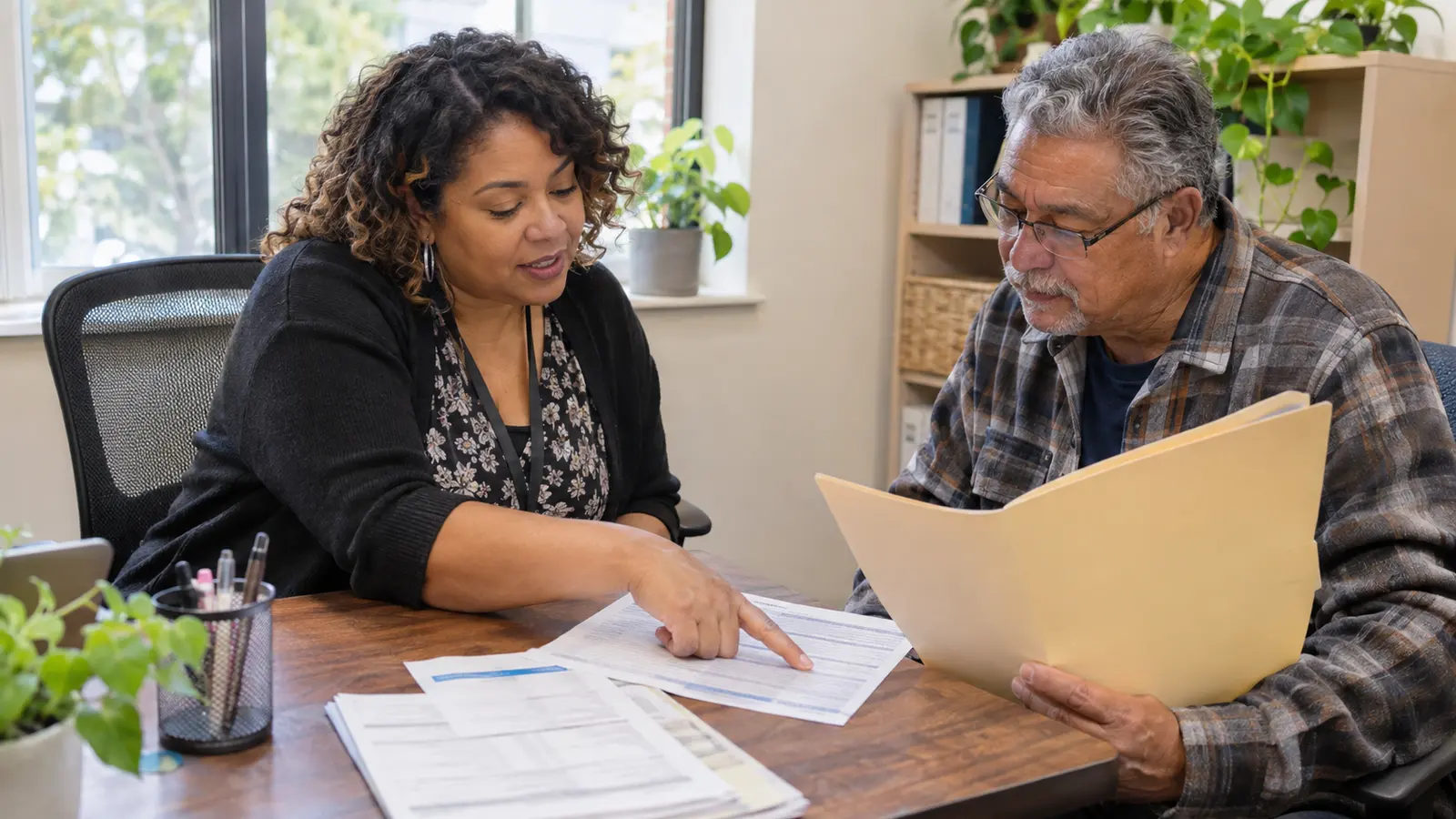
Find the program that covers your electric service
If you need help paying an electric bill, start with your local energy-assistance office and your utility’s payment-assistance team. LIHEAP can help with heating, cooling or an energy emergency, but the electricity costs covered depend on where you live. Ask whether your account qualifies, whether applications are open and what help is available before relying on a benefit.
USAGov’s energy-bill assistance page links to LIHEAP application information. Its Administration for Children and Families directory also has separate links for state or territory coordinators and tribal coordinators. Use those official routes to find the office serving your address. If a directory link is unavailable, look on your state human-services agency’s website for its current energy-assistance page.
Tell the office how you heat your home and who bills you for electricity. An electric heating account and an account that only supplies lights and other household uses may be treated differently. If you rent with utilities included, explain that arrangement rather than assuming you must have an electric bill in your own name. Ask what evidence the program accepts for your circumstances.
Application dates and documents belong to the local program
Pennsylvania’s 2026–27 LIHEAP heating season runs from November 2, 2026 through April 23, 2027, according to its Department of Human Services page checked November 16. Residents can apply through COMPASS or return a paper application to their county assistance office. The state says renters and homeowners can qualify, and an unpaid heating bill is not required. Those are Pennsylvania’s rules, not a national application calendar.
Before an appointment, request the document list and the income period the office uses. Ask whether it needs gross income, which household members to include and how to document irregular earnings or no income. Do not compare take-home pay with an income limit that uses earnings before deductions.
Illinois, for example, asks for proof of income for the preceding 30 days, a utility bill when seeking utility assistance, and a Social Security card or ITIN for residents who have them. Its page says residents without an ITIN or SSN can still apply. Follow your own administrator’s requirements; this Illinois list does not establish eligibility elsewhere.
If tribal assistance may apply, check that route before submitting overlapping applications. Arizona’s LIHEAP FAQ directs applicants living on tribal land to apply through their Tribal Social Service office first and explains when they can then use the state route. Ask the office serving you how to report other assistance and which program should handle the request.
A referral form is not always an application
Illinois makes this distinction explicit: submitting its Help Illinois Families Request for Services form sends contact details to a local agency; it does not apply for LIHEAP or CSBG. The agency then explains how to apply. Illinois also provides a county lookup so residents can contact their local agency directly.
After any online submission, save the confirmation and read what it actually confirms. Is it an appointment request, a screening result or a completed benefits application? Ask whether documents are missing and how you will receive the decision. Put the follow-up date in your calendar.
Even if you qualify, the fund may have run out. Illinois says assistance depends on funding and that its application period can end when funding is exhausted. Ask your local office whether money is still available and whether there is a waiting list or another program if the relevant fund has closed.
A grant, payment arrangement and budget plan do different jobs
Your utility may have options alongside LIHEAP. PPL Electric Utilities in Pennsylvania directs customers to sign in and select “Get help paying.” Its listed options include Operation HELP grants, OnTrack for income-eligible customers, payment arrangements for a past-due balance and budget billing. These are PPL offerings; ask your provider for its own program names and terms.
A grant can reduce the balance when it is credited. A payment arrangement sets terms for paying an amount you still owe. Budget billing spreads expected charges into more predictable payments; it is not, by itself, debt forgiveness. Ask which option is being offered and whether ongoing bills must be paid separately.
Here is an invented account example, not a benefit estimate. A household owes $640 from earlier bills and receives a new $160 charge, bringing the balance to $800. Suppose a $300 assistance grant is approved and then actually posted to that account. The remaining balance is $500, before any other payments, charges or adjustments.
If the utility applies the grant to the old balance and agrees to split the remaining $340 over four installments, each installment would be $85. Adding the $160 current charge makes the first payment $245. That only works under the assumed agreement: later bills could differ, and the utility must confirm how it allocates the grant. Do not subtract a pending application from the amount due.
For a separate estimate of new usage charges, the US calculator uses one electricity rate, fixed charges and separately entered taxes or fees. It does not determine assistance eligibility, allocate grants to arrears or reconstruct time-of-use rates, tiers, demand charges or solar credits.
Take a shutoff notice to both offices
If service is threatened or already disconnected, tell both the utility and the assistance office immediately. Give them the notice date, scheduled shutoff date and account number through their official contact channels. Ask the assistance office about crisis help and the utility about the exact steps needed to keep or restore service.
Pennsylvania describes crisis grants for qualifying heating emergencies, including certain shutoff situations. It tells households that have already received a LIHEAP benefit that season to contact their county assistance office about the emergency. A routine application and an urgent crisis request are not interchangeable.
USAGov explains that disconnection policies vary by state and can depend on weather, age, disability and provider. Do not assume filing an application pauses a shutoff. Ask the utility to confirm any hold, required payment and expiration date in writing. Keep the assistance case reference with that response.
Check the credit on the utility account
Pennsylvania says its regular LIHEAP grant goes directly to the utility or fuel provider for credit on the bill. If you receive an award notice, check the named provider and account, then ask when the payment should appear. Save the award notice and the statement showing the credit together.
If the expected credit is missing, give the assistance office the award reference and ask whether payment was issued. Give the utility the same reference and ask whether it received the payment or needs help locating it. Once the credit posts, request the remaining balance and the next payment due. That account record, rather than an application confirmation, tells you what still needs to be paid.
Sources
Utility examples describe that utility’s service; check your own provider’s guidance.
- USAGov · LIHEAP, application routes and state-specific disconnection policies
- USAGov · ACF directory with state, territory and tribal LIHEAP coordinator links
- Pennsylvania DHS · 2026–27 LIHEAP applications, eligibility, crisis help and payment method
- Illinois DCEO · Local agencies, application versus referral, documents and funding limits
- Arizona DES · LIHEAP frequently asked questions and tribal application route
- PPL Electric Utilities · Assistance programs and payment arrangements in Pennsylvania